
IL-15 regulates intraepithelial Lymphocytes Via Translational Mechanisms
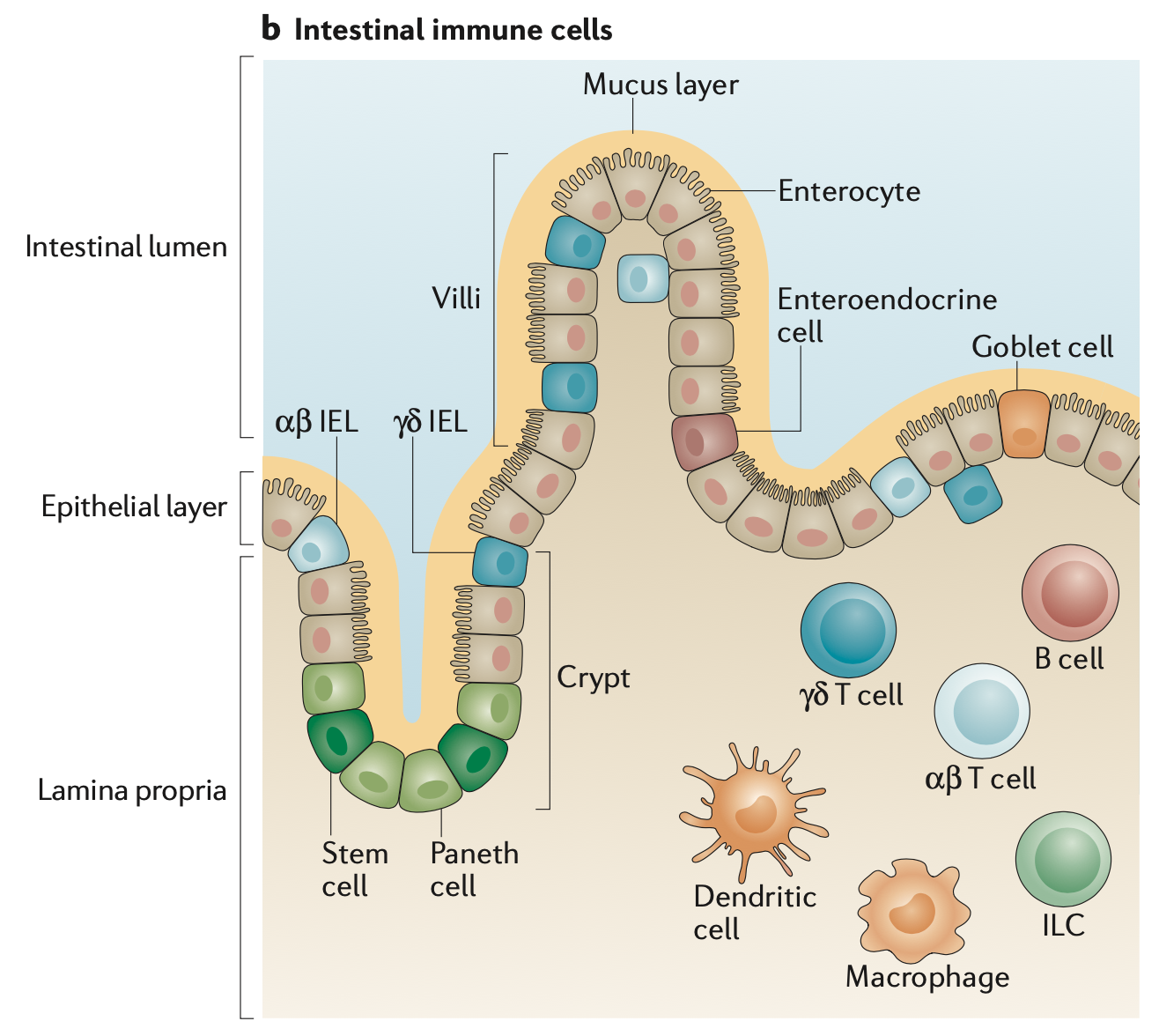
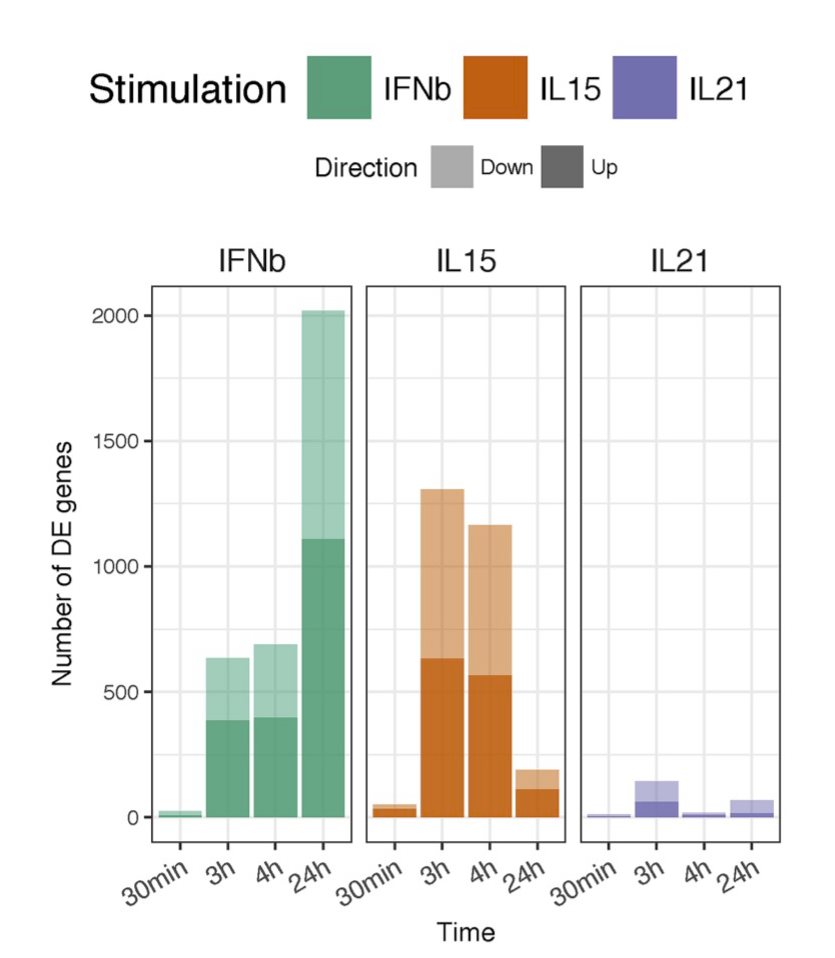
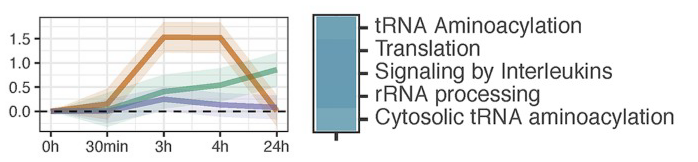
Intraepithelial lymphocytes (IELs) are tissue resident memory effector T cells that reside in the epithelial layer of the small intestine. Described as being in a resting, yet poised state, they are positioned to rapidly respond to reinfection. However, this decreased barrier to activation poises them to be prone to self-tissue destruction, leading to autoimmunity. A key regulator of IELs is the tissue alarmin, IL-15, which has been implicated in autoimmune diseases including celiac, type 1 diabetes, and rheumatoid arthritis. Previous work from the Jabri lab demonstrated that IELs stimulated with IL-15 show a marked increase in translation pathways, particularly those relating to tRNA and tRNA aminoacylation, suggesting that translational regulation by IL-15 represents an important pathway that licenses IELs in the tissues.
Who is involved: Joey Federico